

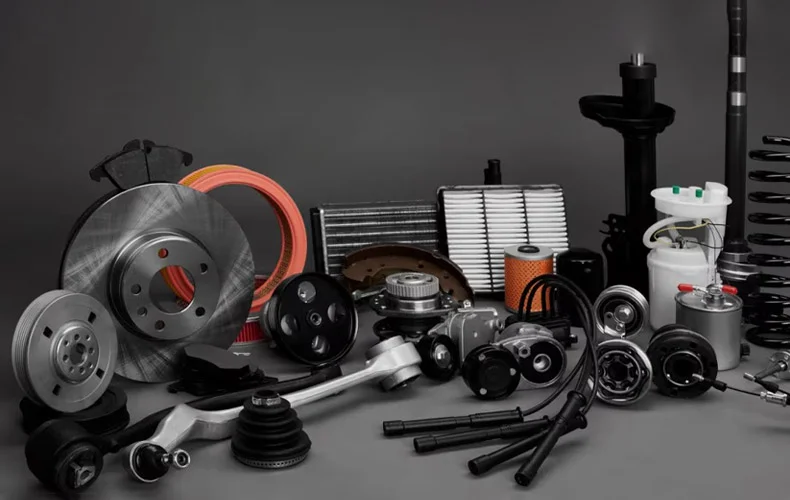
When it comes to European car repair, one of the most common decisions vehicle owners face is choosing between OEM and aftermarket parts. Whether you drive a BMW, Audi, Mercedes-Benz, or Volkswagen, the parts you select can significantly impact your vehicle’s performance, longevity, and overall cost of maintenance.
Understanding the difference between OEM vs aftermarket parts is essential for making informed decisions that align with your budget and expectations. In this guide, we’ll break down what each option means, compare their pros and cons, and help you determine the best choice for your European vehicle.
What Are OEM Parts?
OEM stands for Original Equipment Manufacturer. These parts are made by the same company that produced the original components in your vehicle. For example, OEM parts for BMW are manufactured either by BMW itself or by authorized suppliers that meet the brand’s strict quality standards.
Key Features of OEM Parts
- Designed specifically for your vehicle’s make and model
- Identical to the parts originally installed at the factory
- Backed by manufacturer warranties
- Guaranteed fit and performance
OEM parts are often considered the “gold standard” in European car repair because they ensure consistency and reliability.
What Are Aftermarket Parts?
Aftermarket parts are produced by third-party manufacturers not affiliated with the original car brand. These companies design parts to function similarly to OEM components, but they may vary in materials, quality, and price.
Key Features of Aftermarket Parts
- Widely available from various manufacturers
- Often more affordable than OEM parts
- May offer upgraded or performance-focused options
- Quality can vary significantly depending on the brand
Aftermarket parts provide flexibility and cost savings, but they require careful selection to ensure compatibility and durability.
OEM vs Aftermarket Parts: Key Differences
Choosing between OEM and aftermarket parts can directly influence your vehicle’s performance, safety, and long-term maintenance costs. Understanding these differences helps you make informed decisions that align with both your budget and your expectations for quality.
1. Quality and Reliability
One of the biggest considerations in the aftermarket vs OEM reliability debate is consistency. OEM parts are manufactured to exact specifications, ensuring precise fit and dependable performance.
Aftermarket parts, on the other hand, can range from high-quality alternatives to lower-grade options. While some aftermarket brands rival or even exceed OEM standards, others may fall short.
Verdict: OEM parts offer consistent reliability, while aftermarket parts require research to ensure quality.
2. Cost Comparison
Cost is often the deciding factor for many car owners.
- OEM parts: Typically, more expensive due to brand association and guaranteed quality
- Aftermarket parts: Generally, more affordable with a wider price range
For routine repairs, aftermarket parts can help reduce expenses. However, for critical components, investing in OEM parts may save money in the long run by preventing premature failures.
Verdict: Aftermarket parts are budget-friendly; OEM parts are a premium investment.
3. Availability
Aftermarket parts are widely available from multiple suppliers, making them easier to source quickly. OEM parts may need to be ordered through dealerships or authorized service centers, which can sometimes cause delays.
Verdict: Aftermarket parts win in terms of availability and convenience.
4. Warranty and Support
OEM parts usually come with manufacturer-backed warranties, offering peace of mind. If something goes wrong, you’re covered.
Aftermarket parts may also include warranties, but coverage varies by manufacturer and may not be as comprehensive.
Verdict: OEM parts provide stronger warranty protection.
5. Performance and Customization
Aftermarket parts often appeal to enthusiasts looking to enhance performance or customize their vehicles. From upgraded brake systems to performance exhausts, aftermarket options can offer improvements beyond factory specifications.
OEM parts, however, are designed to maintain the original performance and integrity of your vehicle.
Verdict: Aftermarket parts offer more customization; OEM parts preserve factory performance.
When Should You Choose OEM Parts?
OEM parts are ideal in the following situations:
- When maintaining warranty compliance
- For critical components like engine parts or transmission systems
- When you want guaranteed compatibility and performance
- For newer or high-end European vehicles
For instance, using OEM parts BMW ensures your vehicle continues to perform as intended by the manufacturer.
When Are Aftermarket Parts a Good Option?
Aftermarket parts can be a smart choice when:
- You’re working within a budget
- The repair involves non-critical components (e.g., filters, mirrors, or cosmetic parts)
- You want performance upgrades or customization
- You choose reputable aftermarket brands
The key is to consult a trusted technician who understands European car repair and can recommend reliable aftermarket options.
Making the Right Choice for Your European Vehicle
Choosing between OEM vs aftermarket parts ultimately depends on your priorities, whether it’s cost savings, performance, or long-term reliability.
For luxury European vehicles, precision engineering plays a significant role in performance. Even minor variations in parts can affect how the vehicle operates. That’s why professional guidance is crucial when deciding which option is best.
A skilled mechanic specializing in European cars can help you weigh the pros and cons, ensuring your vehicle receives the right components for optimal performance and safety.
Final Thoughts on OEM vs Aftermarket Parts
The debate between OEM and aftermarket parts doesn’t have a one-size-fits-all answer. OEM parts offer unmatched reliability, precise fit, and manufacturer-backed assurance, while aftermarket parts provide affordability, accessibility, and customization options.
Understanding the nuances of aftermarket vs OEM reliability empowers you to make smarter decisions for your vehicle. Whether you prioritize performance, cost, or longevity, the right choice will depend on your specific needs and driving habits.
Need Expert European Car Repair?
At Garttmeyer Automotive, we specialize in high-quality European car repair, using both OEM and trusted aftermarket parts to deliver exceptional results. Whether you drive a BMW, Audi, Mercedes-Benz, or another European model, our experienced technicians will guide you toward the best solution for your vehicle.
Contact us today to schedule your service and experience precision, reliability, and expert care you can trust.